
In collaboration with Bridge Alliance Education Fund
Why?
The Institute of Politics has a nearly forty-year history of positively working with legislators from different political parties. And when this happens, it almost always involves a sharing of information about each legislator’s vantage point, their district’s challenges and opportunities, and a mutual desire to make things work for all Pennsylvanians. The Pennsylvania Legislative Exchange (PLE) is designed to build on this success and reinforce the notion that Pennsylvania benefits when we all work together.
What?

Building on lessons learned by the successful American Congressional Exchange model, begun in 2018 at the Bipartisan Policy Center, and state exchanges now underway in Minnesota and Michigan, the University of Pittsburgh Institute of Politics has launched the Pennsylvania Legislative Exchange. This state-based, systematic approach is designed to create better relationships and build trust across the political aisle with the following guiding principles:
- Trust must intentionally be built between the two political parties as a precursor to solving problems.
- Legislators must listen to one another and understand what motivates and concerns their colleagues.
- A shared experience based on close personal interactions can help bring state legislators together, identify shared values and goals, and find ways to work together for the common good.
How?
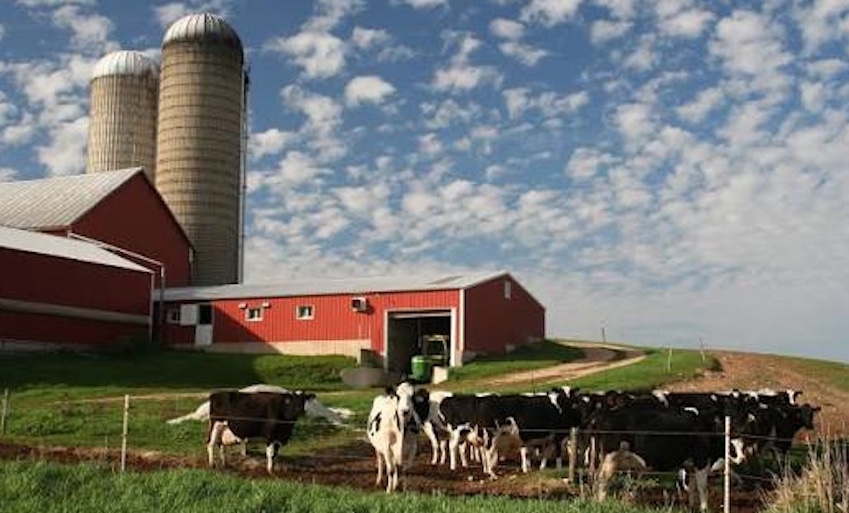
The PLE pairs legislators from opposite parties to visit each other's districts, with special emphasis on identifying dissimilar districts, including geography, economy, culture, politics, community demographics.
The PLE will aspire to dignify these differences, define common problems across communities, and identify shared interests and goals.
- PLE trips typically last 12 – 36 hours, depending on the geographic size of the district. Itineraries are designed by the Institute of Politics (IOP) in collaboration with the host legislator to showcase unique experiences, industries, businesses, institutions, and community leadership in their district. The trips will provide meaningful opportunities for local/county, civic, business, education, and faith leaders to connect with the two members.
Itineraries may include tours, roundtable conversations, meetings with local civic and community leaders, and shared meals, so that legislators better understand the economy, social, political, and cultural make-up of a district. The PLE will nurture real, authentic connections, bipartisan collegiality, and trust across differences.
Guidelines for Visit Development
- Visits are designed by the host legislator and reflect key challenges and opportunities in their communities and constituent needs.
- The visits strictly exclude lobbying activity.
- Visits are centered on relationship-building and introduction to each other’s district, with an eye toward potential future collaboration that grows organically from what is experienced on the trips.
PLE Goals
- Addressing issues that matter: trip itineraries focus on policy concerns of local, regional, and state importance and facilitate impactful bipartisan solutions.
- Highlighting a range of perspectives and understanding regional differences and commonalities: participating lawmakers hail from distinct and diverse cultures with different kinds of industries, economies, and natural assets.
- Learning from locals: policymakers will hear viewpoints that may be missing or overlooked in Harrisburg and uncover new shared interests, priorities, and policy solutions that transcend partisan politics.
- Finding legislative solutions: policymakers come away with ideas for legislative action stimulated by their joint visits and related discussions.